
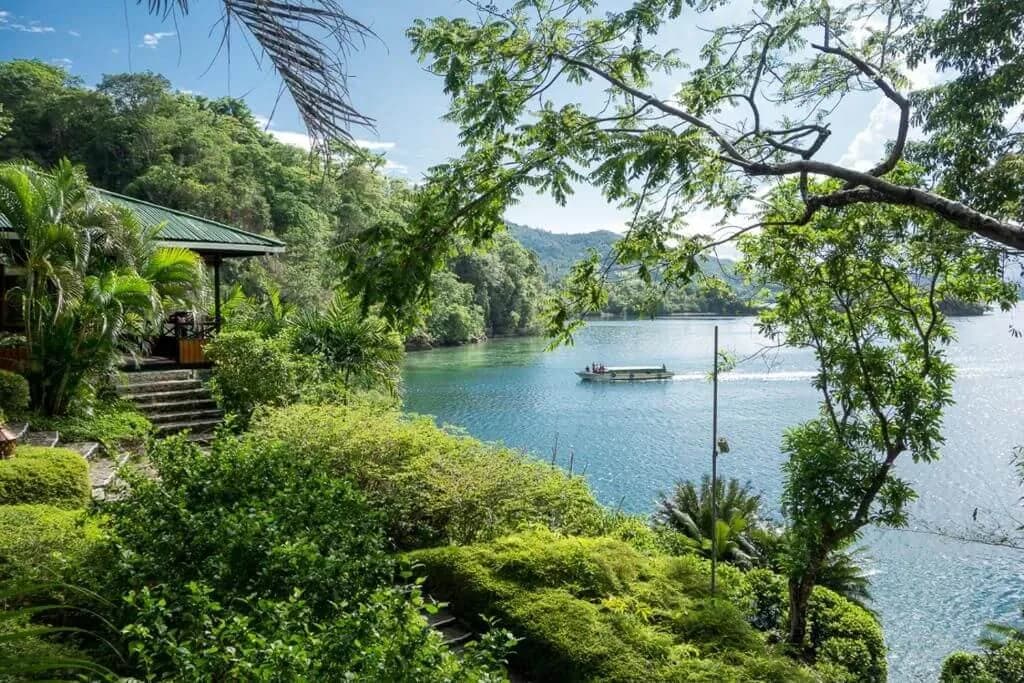

An exclusive boutique experience awaits you at Lembeh Resort
Nestled in a private cove at the northeastern tip of Sulawesi, our award-winning resort presents an exclusive range of diving trips, underwater photography workshops, and exotic nature excursions. Here in the world’s critter capital, paradise is waiting to be explored. All you have to do is dive in.
Our International Awards


Your Piece of Paradise


Follow in the footsteps of Alfred Russell Wallace and discover incredible biodiversity of North Sulawesi.

Explore the natural beauty of volcanoes, historical sites, and local delicacies.

Delve into the bustling morning markets of Bitung, alive with the energy of local life.

Making Waves
We are committed to keeping our beautiful resort clean and environmentally conscious. At every step, we endeavor to tread lightly on the island by reducing emissions, minimizing our use of plastic, conserving water, and using renewable energy sources whenever possible.
Officially Lembeh’s #1 Dive Resort
We are proud and honored to have been voted the top-rated resort in Lembeh Strait, and will continue exploring new and innovative ways to exceed your expectations.


Guest Loyalty Program
With every return visit to Lembeh Resort, earn exclusive rewards to be redeemed during your stay.

Your Paradise Awaits