What Every Photographer Should Pack for Their Next Trip to Lembeh
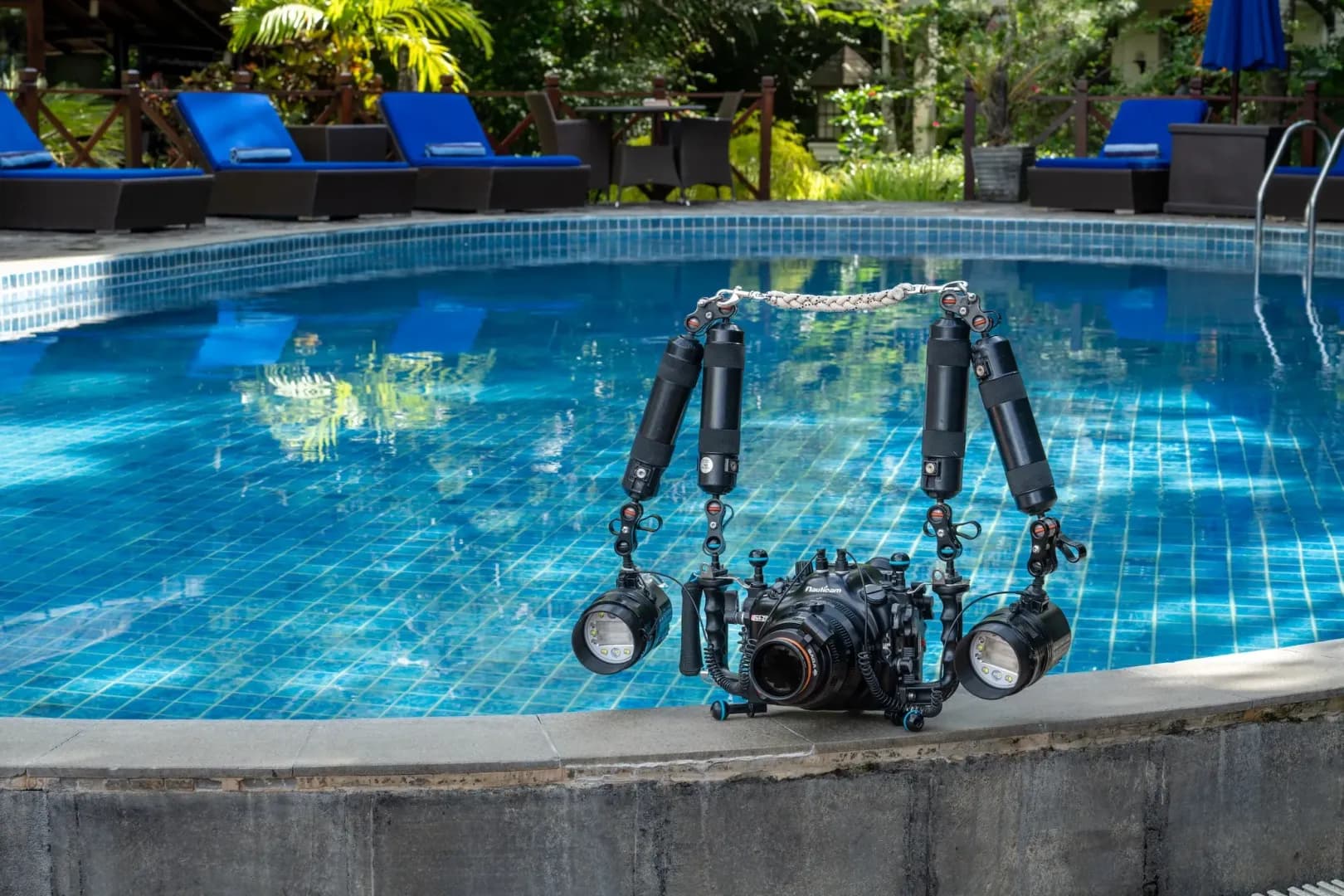
Lembeh is among the many sought after dive destinations around the world. From the absolutely strange critters that inhabit the Muck within the Lembeh Strait to the stunning healthy coral reefs that adorn the shallows and the vast walls of East Lembeh. Knowing what equipment to pack and what spares to bring is essential knowledge to ensure you don’t miss a photographic opportunity that you’ll regret. Don’t worry, if you forget something our Backscatter Authorized photocenter is sure to have you covered.
Each camera setup comes with its own unique requirements and specialized housings. These parts are designed for specific camera brands and models, meaning components are rarely interchangeable. That’s why being well-prepared for every possible situation isn’t just smart, it’s essential. Our time in the water is precious, and considering the effort it takes to reach many of these destinations, the last thing we want is to be unable to create the images we dreamed of and traveled so far to capture. I hope that this blog will inspire you to think beyond the basics and consider the more unique pieces that may make-or-break your experience.
You can skip to the end for The Complete Underwater Photography Packlist to help you pack for your upcoming trip to Lembeh.
Camera Body & Lenses

Yes, cameras are expensive and we hope we never have to make use of a spare camera body but having one could make the difference between a ruined trip and a great trip to Lembeh. The other option is to have a spare camera system that is less expensive than a spare camera body. Options like the Olympus TG7 or even a simple Action Camera can make for a great backup system if all goes wrong or knowing if there are additional camera systems available for rent at your destination.
Camera lenses are a different story as carrying duplicates doesn't really make much sense. Having different focal lengths is what is most important from your 105mm macro lenses to your 60mm & 50mm macro lenses this will allow you to cover your full range of macro subjects that we have here in the Lembeh Strait. Now, you may see the wide-angle lens option and think to yourself “Why the heck would I bring a wide-angle or fisheye lens?! I’m here to see the crazy macro critters!” and to that you’re right but there are incredible reefs around Lembeh Island, specifically the ones of East Lembeh. Having a wide lens for this is certainly worth it and a great way to mix up our portfolio of images from your trip here, not to mention the additional option of close focus wide-angle while in the Strait.
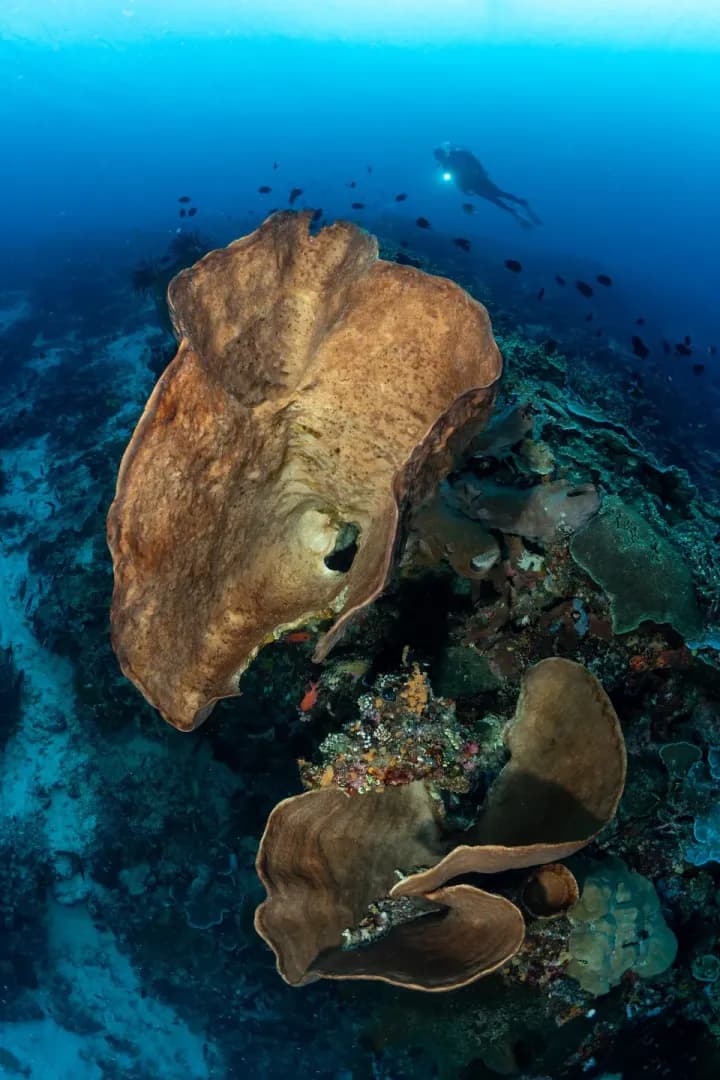
As unfortunate as it is, we all must have a dry day before flying back home. Aside from the many great options of kayaking or snorkeling there is also incredible topside wildlife to be spotted. From Mangrove's tours at Batu Angus to Bird Watching in Tangkoko National Park, having a Telephoto lens is a necessity.
SD Cards and Storage Devices.
As unfortunate as it is, even these too can fail. Off loading SD cards at the end of your dive days onto at least two SSD’s (One primary and one back up) can not only help you stay organized but also save the possibility of you losing all of your images if your SD card corrupts during your trip or if for some reason you accidentally format your card. Getting into the habit of offloading, backing up and formatting your SD cards will help you be as ready as you can be and prevent you from losing anything up to that point. Remember to double check you have the appropriate card reader whether it be built into your computer or a simple USB dock. Don't leave this behind unless you want full SD cards sitting around waiting to be forgotten about.
Batteries
Without them, we’re carrying a large paperweight or anchor, depending on your mood. Spare camera batteries alone aren’t enough; take a look at your entire kit and see what’s battery-powered and what allows for battery replacement, from the leak alarm on your housing and flash trigger to the batteries that power your strobes, video lights, or focus lights. Even your dive computer or Air Transmitter!
Avoid off-brand batteries at all costs. Sure, they might save you a few bucks, but more often than not, their capacity is lower than that of name-brand counterparts. That means fewer shots from your camera, or fewer flashes from your strobes and flash triggers. Don’t skimp on your power supplies. Spare coin batteries are easy to pack but hard to come by once you’re on location. The more equipment you have that uses similar batteries, the better prepared and more streamlined you’ll be when it comes to the number of chargers needed to keep everything topped off.
The hard truth is that Mirrorless cameras batteries simply do not last as long as their DSLR counterparts unless you have a flagship housing and camera like the Nikon Z9, Canon R1, or the Canon R5C whose housing has space for an additional battery pack. To combat running low on battery throughout your multiple dive days consider turning your camera off between subjects, turning off unnecessary features like GPS logging, turning off internal focus lights or purchasing a USB-C bulkhead from Ikelite / Nauticam / or Kraken. These allow you to charge your camera without removing it from the housing, saving you time and also reducing the risks associated with opening your housing multiple times per day while in possibly unfavorable conditions. But how many camera batteries should you bring? At least three is recommended; this leaves you with one in your camera, one ready to be swapped in between dives and third always charged and ready to go.
Lastly, don't overlook the quality of your chargers and charging cables. Some equipment requires a certain charger output and cable quality. Make sure these make it into your bag and that these charging cables are more than capable of carrying the power output necessary. Not just any thin USB-C cable will do. Lower quality charging blocks and cables can lead to slower charging times or not charging at all. Our dedicated Camera Room is equipped with four international plug points at each work station that provide 220-240v of power to help keep your batteries topped up throughout your stay.
Flash firing Cables (Fiber optic & electric)
From diving in strong currents and challenging conditions to the simple act of handing your camera up on a boat, accidents can happen. Fiber optic cables can sever, and electric sync cables can flood. Salt water is the natural enemy of every electronic we bring underwater. Having spare fiber optic cables and a way to repair the ones you have, can make or break a once-in-a-lifetime trip.
Just recently, while I was searching the rubble sea floor here in the Lembeh Strait for my next subject (fingers crossed for a frogfish), I instead found the severed end of a fiber optic cable. My thoughts immediately went out to the unlucky photographer who may have missed their shot. Be sure to pack some INON Rubber Bush Plugs, these let you insert a cut cable and keep shooting in a pinch. Still, the best solution is always a spare cable or two. Spare fiber optic cables aren’t just for replacing a broken one, they’re also valuable for the tiny o-rings that hold the cables in place. Over time, these o-rings dry out and eventually snap at the worst possible moment, leaving your cable dangling and disconnected in the current.
For compact shooters using the TG series cameras, bringing a spare fiber optic connector can save your dive day. And if you’re using wide-angle wet lenses, make sure you pack the correct on-housing fiber optic connector. These small pieces are easy to forget and without them, you can’t use your strobes and wide-angle lens at the same time. What a shame! These tiny parts have a mysterious way of disappearing into Narnia when you aren’t looking.
Electric sync cables are the bulkier counterparts to fiber optics. They’re slowly being phased out, but many shooters still trust them. Another electronic component means yet another failure point and another place salt water can enter. With electric sync cables, you really have no choice but to carry a spare or two depending on your sync cable configuration, along with a spare bulkhead for your housing. If salt water gets into an electric connection, time is of the essence, as the damage can affect your strobe, cable, and bulkhead. Treat these with extra care and, should salt water find a way in, bring along some DeoxIT Gold to help improve conductivity and protect the metal contacts. This may help limp the cable or bulkhead along but replacing it is the best course of action.
Flash Triggers
Over the years I’ve spent in this industry, one of the most common problems I’ve come across is corroded flash triggers that end up ruining a trip when they start firing intermittently. Some flash trigger brands are nothing more than exposed circuit boards. When working with these, it’s extremely important to make sure both you and your housing are completely dry when you open it to remove your camera. Even a single drop of salt water can cause a short on the circuit board and lead to immediate problems. Other flash triggers are mostly sealed units, which helps prevent saltwater intrusion, but they are not invincible. You still need to be just as careful.
If your housing uses a dedicated USB-C to-hotshoe cable, always bring a spare. These cables are often the first thing exposed to corrosion because they’re usually the first part we touch with still-wet hands as we excitedly pull the camera out of the housing to review the epic images we just captured.
If your camera has a built-in pop-up flash but you’re using a flash trigger for TTL or HSS, check with your housing manufacturer to see whether you can switch to using the pop-up flash for manual firing in an emergency. Some housings require you to remove the mirror or prism that directs the flash toward your fiber optic cables. If you’ve removed this, make sure to pack it just in case your flash trigger fails. Yes, flash triggers are expensive, but it is always worth having a spare manual flash trigger. What’s worse: spending a few hundred dollars now to protect yourself later, or being unable to take photos on a trip you’ve spent thousands on?
O-rings & Lubricant
Every item we bring underwater has some form of o-ring seal to keep the dangerous and corrosive salt water out. From our hand torches to our camera housings and ports, there are o-rings at every opening, sometimes even two for a double o-ring seal. Without this first line of defense, we would be in BIG trouble.
Proper o-ring maintenance is essential for keeping the inside of your equipment free from salt water. Each time you replace batteries or expose an o-ring to air, take a moment to inspect it. Make sure it’s free of debris, undamaged, and properly lubricated. Skipping this step could cost you big time. Always keep spare o-rings for anything you frequently open, especially your main housing o-ring and the battery compartment o-rings on your strobes. Use only the manufacturer-recommended lubricant for the specific o-ring you’re working on. The o-rings on your arms are less critical for keeping water out but make a big difference in how easy your strobe arms and clamps are to use. If you’ve ever over-tightened your clamps, you may have worn out these o-rings, reducing friction and making your arms nearly impossible to lock down. Most arm manufacturers sell replacement arm o-rings, and these are great additions to your packing list.
Strobes

Accidents happen. O-rings get pinched, battery compartments flood, and strobes fail. Hopefully we have taken the right steps to prevent this from happening, but even then things can still go wrong. Many strobe battery compartments are sealed units, meaning that if salt water gets in you can simply dispose of the batteries, rinse with fresh water, let it dry, and continue shooting as usual. But if you experience a catastrophic failure, having a third strobe can make all the difference.
Different strobes have different parts that are worth carrying as spares, and the most important are battery caps. Specifically for Sea & Sea strobes as over time the contact tabs can break or weaken in turn causing functionality issues. O-rings are also important, but we covered those already. The next less critical item is diffusers. Often the lanyard that should be secured around the ball mount is left unclipped, and the diffuser drifts off without anyone noticing, on its way to becoming a new home for a barnacle.
L-Keys or Other Tools
Often these are the first items to be confiscated during your international travels if not packed securely in your checked luggage. Making sure you have these tools or at least a spare in your checked luggage can leave you from scrambling to fix any issues while on location. Imagine your brand new housing’s shutter button rolls out of place making it impossible to capture an image or the ball mount comes unscrewed from your strobe. Having the appropriate L-Key to fix these issues can save you the headache of searching the local areas for the correct size.
Vacuum Pumps & Valves
These are larger items that I have forgotten many times on location. This will leave you to be creative. Thankfully most camera housings are rather low volume and if you’re willing to get intimate with your housing you can pull the vacuum manually (yes with your mouth). This technique works great in a pinch. If you prefer not going the intimate route you can check with the resort or around the location you're staying for a wine pump. Most housing vacuum pumps are a copy of a traditional wine pump and may even be something you can find locally. Thankfully wine is somewhat common internationally. Lastly, keeping a spare vacuum valve cap can save you from going on a dive with the “Self Destruct” button visible and waiting to be bumped. If your vacuum valve cap is sacrificed to the abyss or at an unknown location having the tools to remove the valve and plug the hole that remains is essential.
Dome port Covers Lens Caps

Neoprene covers seem to be the first items that try to escape when you're on a dive trip whether it is the fact that they are positively buoyant or they have a sentient mind of their own. All it takes is missing your pocket on your BCD or missing the clip point for your cover to become the next sacrifice to poseidon. Keeping a spare in your camera kit will help you protect the expensive glass dome ports that you care for much like a newborn. Most manufacturers make neoprene covers for their glass ports and optics. These are easier to pack and take up less space then the Hard Covers. If you’ve lost all covers you can always search for a hood no one is using and stick that around your glass to provide at least a little bit of protection in the meantime. Another tip while on location is NEVER leave your camera bouncing around in a rinse bin aboard a vessel. Here is where major damages can occur, from bent buttons to scratched glass. Avoid this practice at all costs. Leave the soak for a controlled environment like your bathtub at home.
With these thoughts in mind I hope you take a moment to think a bit more critically the next time you begin packing for your trip and of course for anything that may be forgotten at home our Backscatter Authorized Photocenter has got you covered. Now go put that last item you forgot about into your checked luggage and always remember to consult your user manual for best practices.
This pack list is brought to you by our n house Photo Pro who brings years of industry experience and expertise when it comes to underwater photography equipment & Techniques.
The Complete Packing List for your Next Trip to Lembeh
Note: If you don’t have items on this list simply cross them off and only check the items relevant to you.
Camera & Lenses
Batteries
SD Cards & Storage
Underwater Camera Housing
Flash Firing & Flash Trigger
Tool Kit