Magic, Muck & Mysteries: What Makes Lembeh the World's Critter Capital?
Tucked between the northern tip of Sulawesi and Lembeh Island, the Lembeh Strait is, at first glance, an unlikely candidate for global diving fame. Its waters are often calm and sheltered, its seabed dark with volcanic sand, and its reefs—while present—are not always the headline act.
And yet, beneath this seemingly modest surface lies one of the most extraordinary marine environments on Earth. Lembeh is not about sweeping coral walls or schools of pelagics (although you can find both in nearby Bunaken Marine Park); it is about discovery. Lembeh teaches you to slow down, look closer, and uncover the strange, the rare, and the downright bizarre. This is the birthplace of muck diving as we know it today—and the reason the strait has earned its stellar reputation.
Wondering what makes Lembeh the world’s critter capital? In this article we take a closer look at the region’s history, its remarkable ecology, and the new chapters being added to its story.
What is Muck Diving?
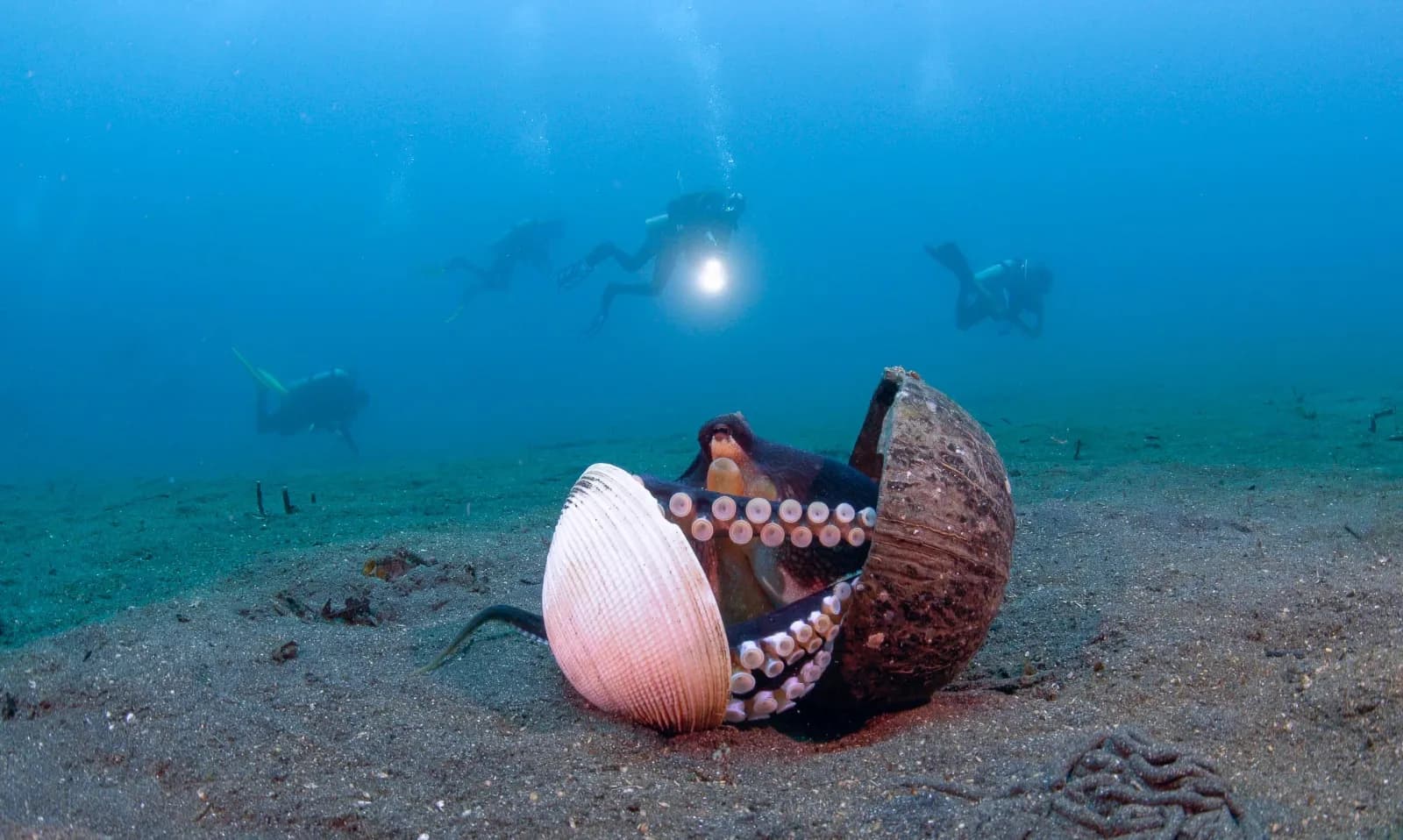
To the uninitiated, ‘muck diving’ might not sound glamorous, but in Lembeh, it is pure magic. The term refers to diving over sandy, silty seabeds; often near slopes, rubble, or sparse reef structures, where marine life has evolved extraordinary adaptations for camouflage and survival. What appears to be empty sand suddenly reveals itself as a living, breathing treasure hunt.
In muck diving sites like the Lembeh Strait, divers encounter an astonishing cast of characters:
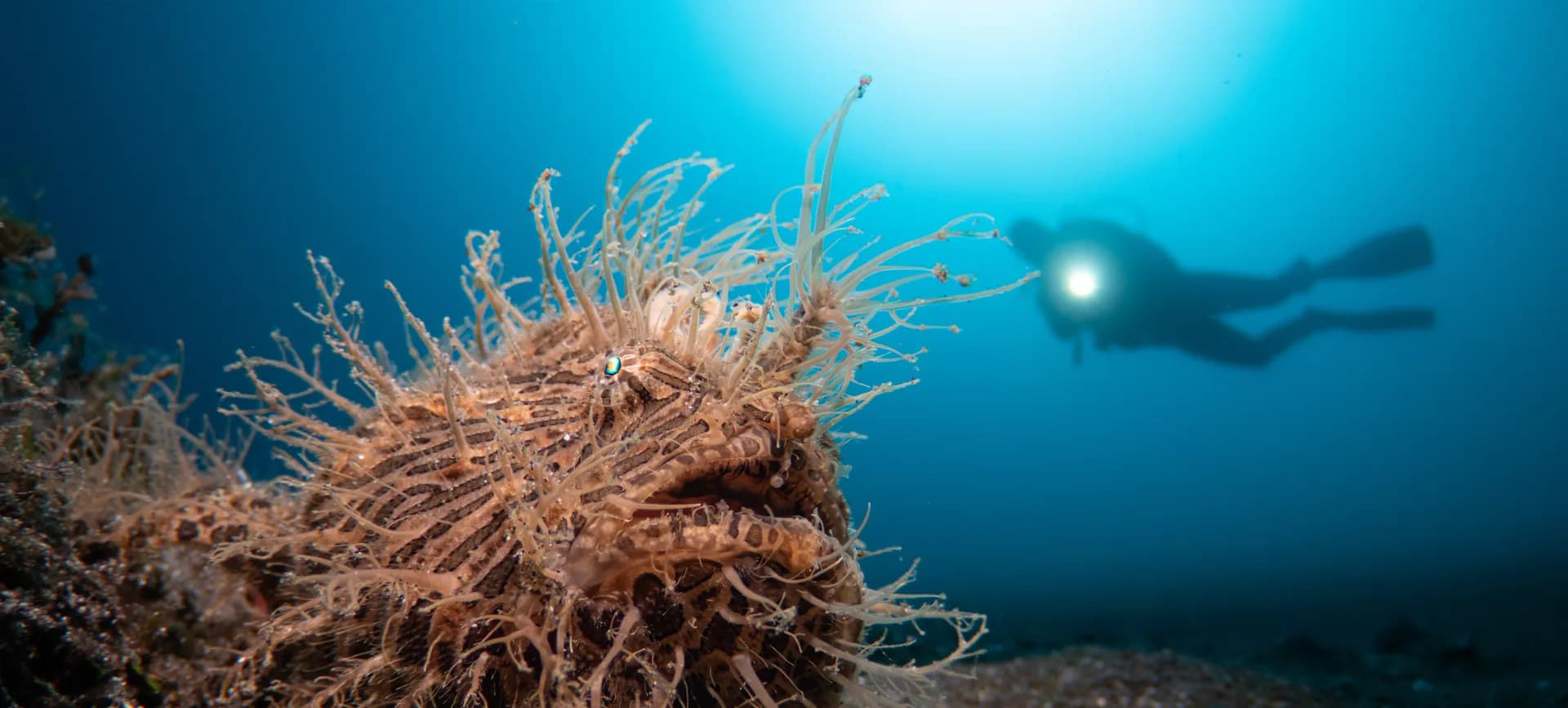
- Frogfish disguised as sponges
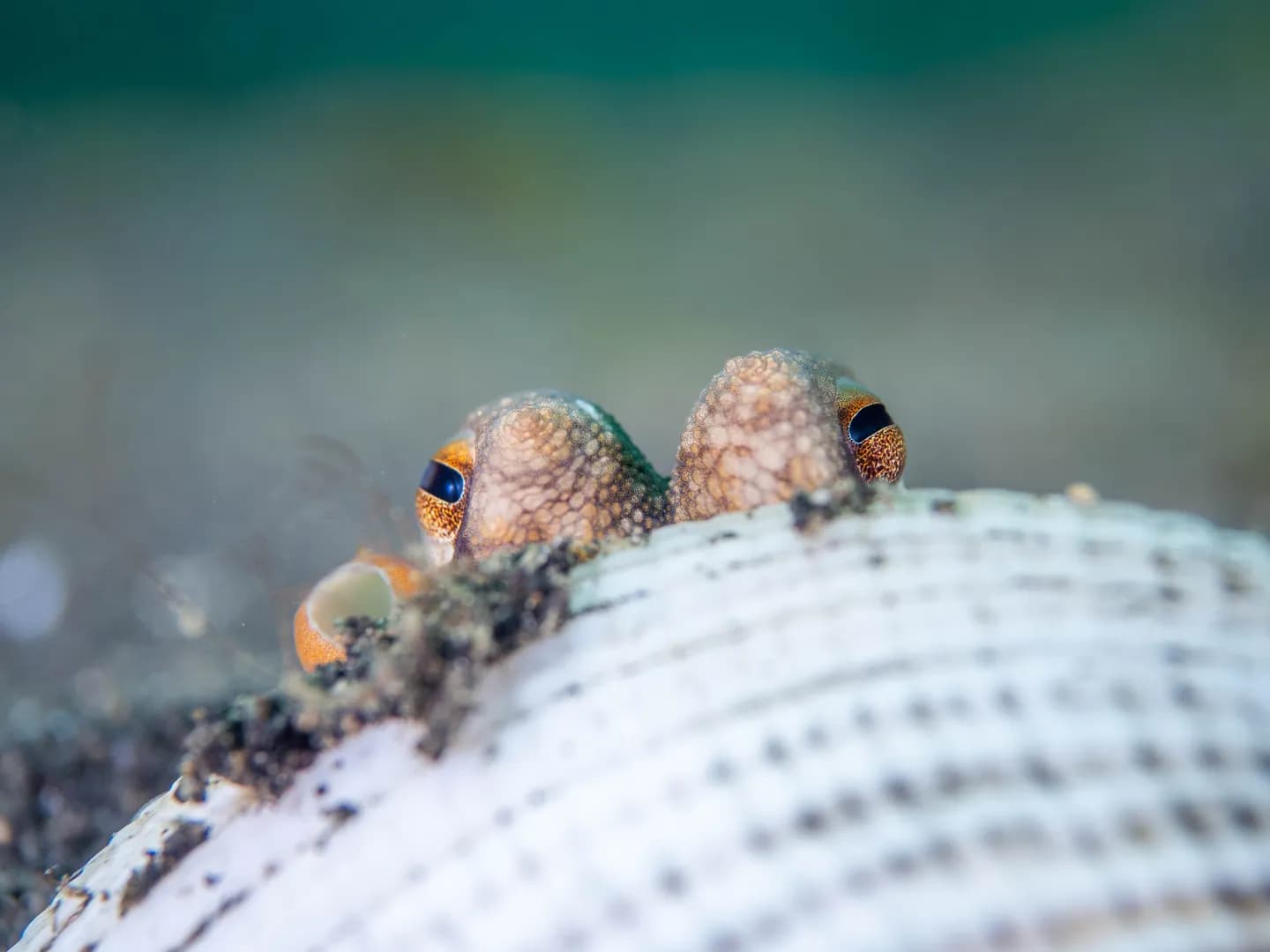
- Octopus species that mimic other animals
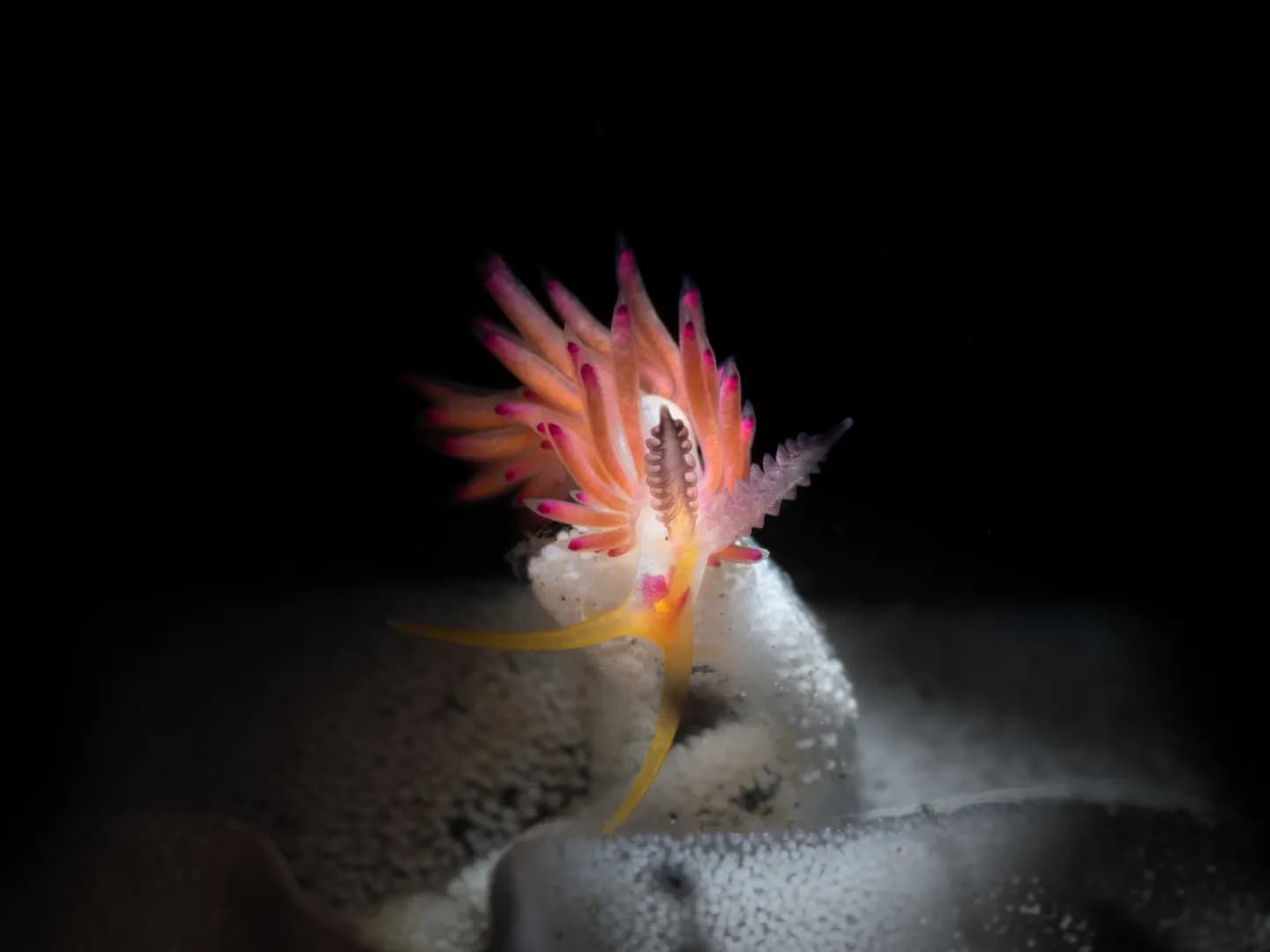
- Tiny, psychedelic nudibranchs
- Ghost pipefish drifting like leaves
- Flamboyant cuttlefish flashing colorful warning signals
For underwater photographers, this density of rare macro subjects, combined with relatively shallow depths and calm conditions, creates an ideal natural studio. Every dive offers the chance to photograph something new, unusual, or seldom seen.
See for yourself: Watch this short documentary film about the hidden magic of Lembeh—a deep dive into the incredible critters of the Lembeh Strait, shot in ultra-high definition.
Beyond the Muck: A Diversity of Habitats
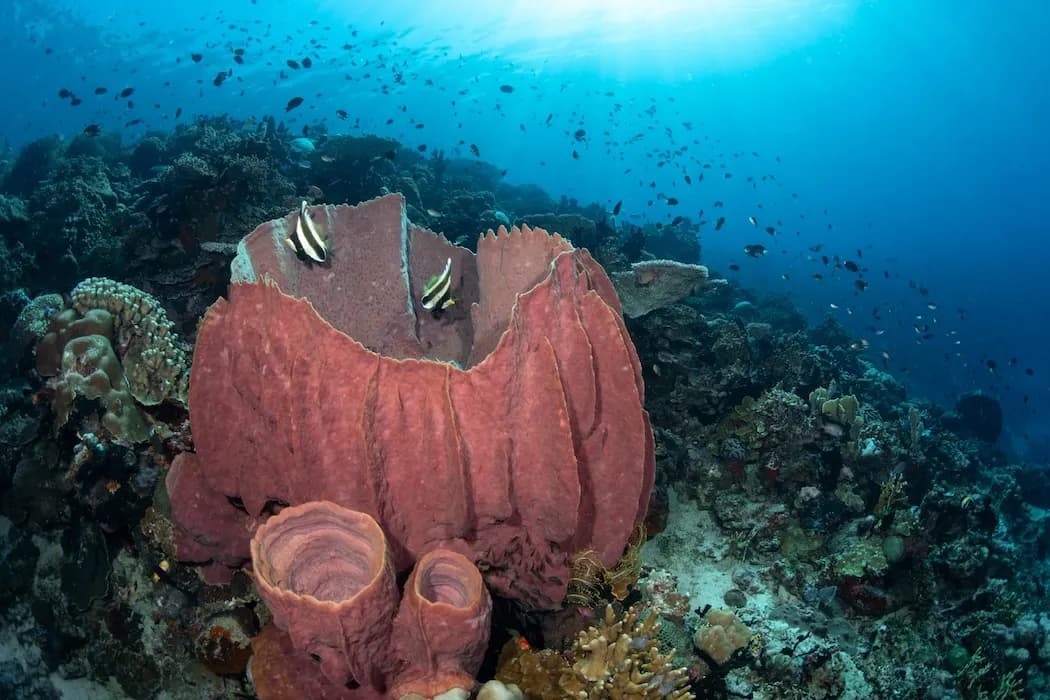
While muck diving defines Lembeh, it is far from the whole story. The strait is a mosaic of habitats, each supporting its own ecosystem:
- Black sand slopes rich in macro life
- Coral reefs with reef fish, turtles, and occasional pelagics
- Mangrove forests where juvenile species thrive
- Artificial reefs and debris sites that have become thriving microhabitats
This diversity allows for an unusually varied dive itinerary. A single day might include a classic muck dive, a vibrant reef site, and mangrove exploration, with each setting offering completely different photographic and ecological experiences.
Night Dives, Blackwater & Alien Encounters
Lembeh by day is extraordinary. Diving the strait by night is an experience that is out of this world. Night dives reveal unique species and behaviors, including the mesmerizing mating ritual of mandarin fish—one of the most sought-after underwater spectacles.
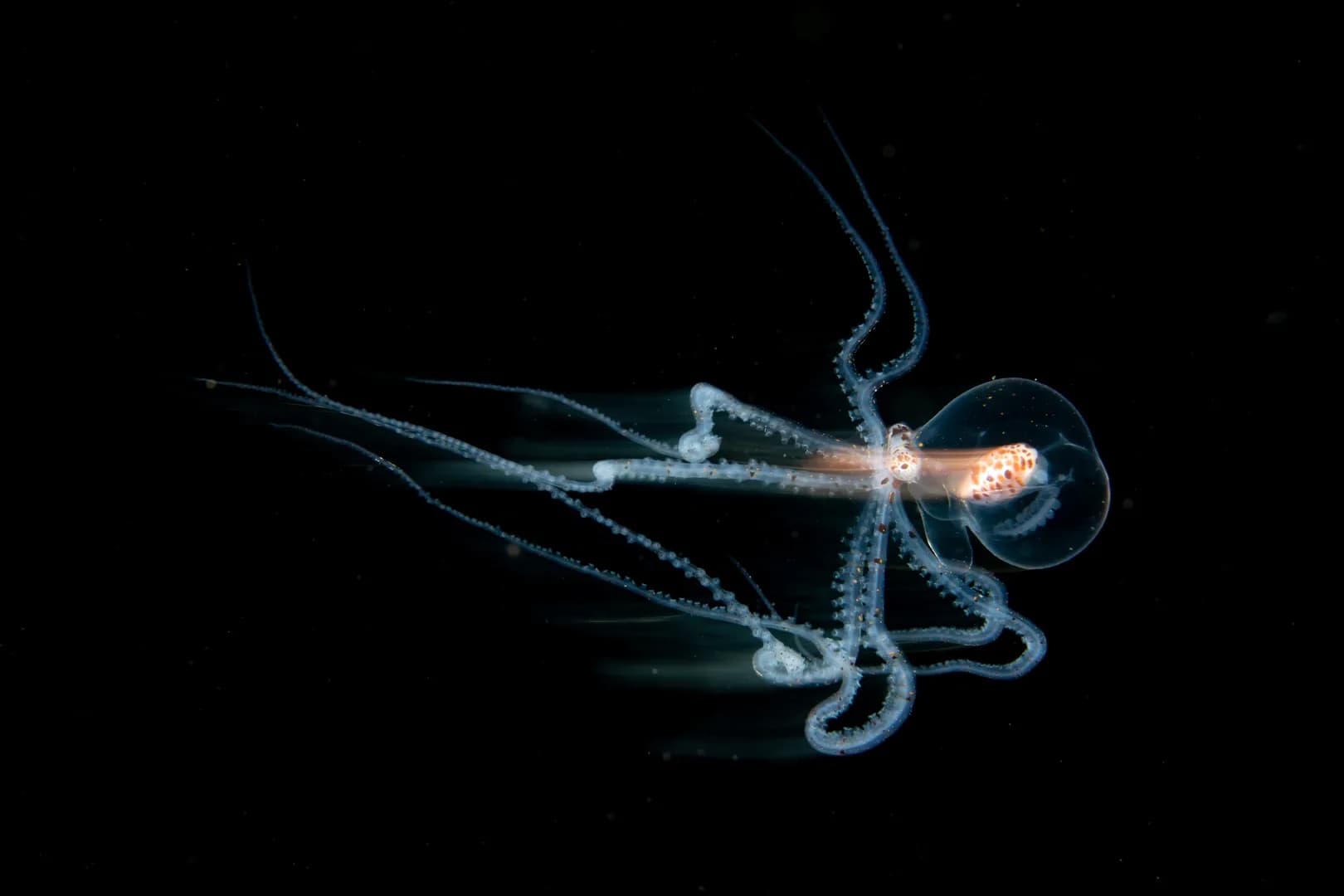
And then there is blackwater diving, a next-level experience that has helped cement Lembeh’s global reputation. Divers descend into open water at night, suspended above the depths, to observe larval and pelagic creatures ascending from the depths towards the light.
These encounters are often surreal:
- Transparent juvenile fish with oversized eyes
- Alien-like invertebrates drifting in darkness
- Bioluminescent organisms pulsing with light
For many, blackwater diving in Lembeh is less about observation and more about exploration—entering a world few people ever see. In the inky darkness of night dives, there’s a feeling of floating through space, encountering strange—almost extraterrestrial—creatures as you go.
How Did Lembeh Became the World’s Critter Capital?
Lembeh’s rise to global prominence is a relatively recent phenomenon, closely linked to the wider evolution of underwater photography. In the late 20th century and early 2000s, pioneering dive guides and photographers began to recognize the strait’s unique potential. What others dismissed as ‘empty sand’ revealed itself, through patience and expertise, to be one of the richest macro ecosystems in the world.
As word spread, Lembeh attracted a new kind of diver: Photographers seeking rare subjects, marine biologists documenting species, and hardcore enthusiasts drawn by the thrill of discovery. Over time, the region became synonymous with macro diving excellence. Today, it is considered a must-visit destination for anyone serious about underwater macro photography.
Lembeh Resort has been there since the beginning. We’ve seen diving evolve in the strait, and played our part in celebrating this natural treasure trove, while also striving to keep it safe.
Lembeh Resort: Gateway to Adventure in the Lembeh Strait
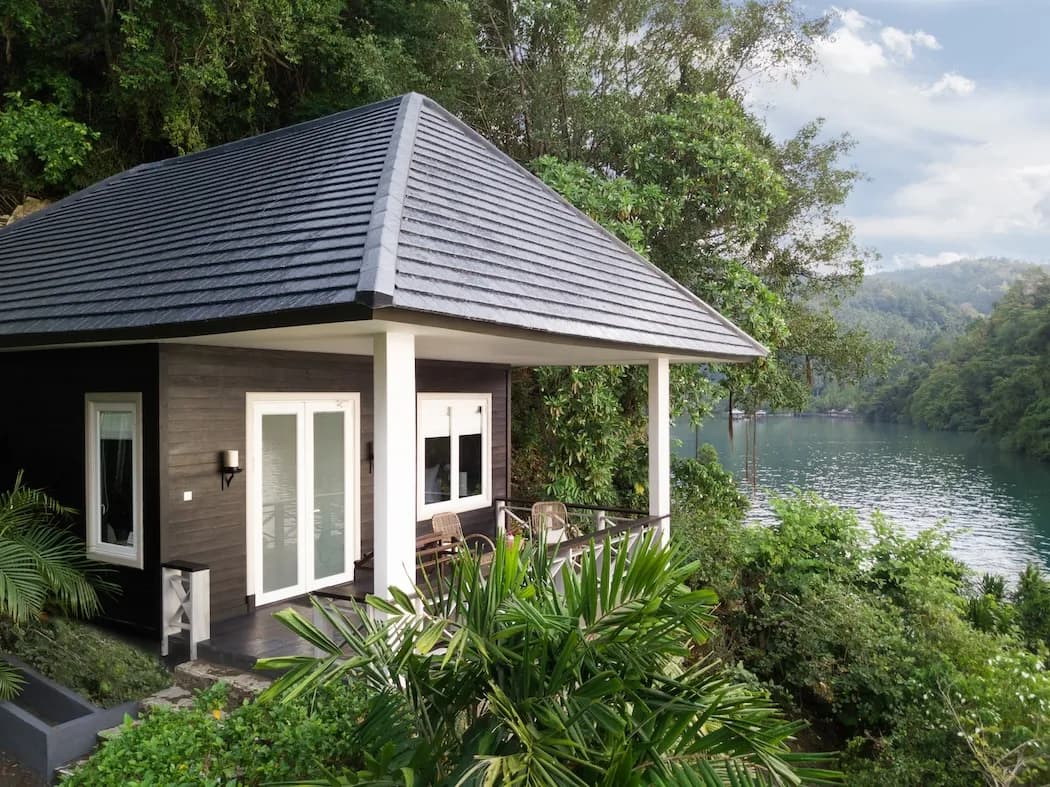
From our early days until now, Lembeh Resort has helped define the standards that now characterize diving in the strait. In practice, this means highly trained guides, with exceptional spotting skills; thoughtfully designed dive itineraries, tailored to the interests of visitors; a strong emphasis on guest experience and safety; and a firm commitment to treat these fragile ecosystems with the respect they deserve.
Over the years, Lembeh Resort has welcomed photographers, scientists, and divers from around the world, contributing to the strait’s reputation while continuously refining the experience it offers. Today, we remain one of the most well-established and respected operators in the region, combining deep local knowledge with world-class facilities and a level of luxury that’s unmatched.

A Photographer’s Playground
Few places on Earth cater to underwater photographers quite like Lembeh—and Lembeh Resort is at the forefront of that experience. Home to the region’s only Backscatter-Authorized Photo Center and a team of experienced photography experts, we provide the knowledge, equipment, and local knowledge needed to capture incredible images in the Lembeh Strait.
With our brand-new dive center and thoughtfully designed photography facilities, guests can enjoy spacious, well-equipped camera room, dedicated rinse tanks and preparation areas, while benefiting from the wealth of on-site expertise provided by our resident photo pro and his team.
Over the years, we have developed a reputation as Lembeh’s leading hub for photography knowledge. We regularly host workshops and events led by acclaimed professional photographers, so visitors can not only learn the theory but also put these principles to the test in practical shooting sessions, guided by the experts.
These workshops have been running for well over a decade, and have proved to be extremely popular with underwater photographers from all over the world. Our next workshop will be led by Alex Tattersall and Saeed Rashid from 20–31 July 2026. Then, Capturing Critters in Lembeh (CCiL) returns for its 13th iteration in January 2027, and will be hosted by professional photographers Marty Snyderman and James Emery. Places are still available but filling up fast, so book your spot today!
Start Planning Your Visit to the Lembeh Strait
The story of the Lembeh Strait is still being written. With every dive, new photos are captured and new memories are made. Even now, new species are still being discovered among the rolling black sands of Lembeh.
To add your own chapter to this unfolding story, please explore our website or get in touch. Our team will be happy to answer any questions and help with planning your very own adventure to the world’s critter capital.